

If you are planning to hit the waves in Baja California Sur this season, you need to prepare for intense heat. Local riders know that the desert atmosphere destroys equipment faster than a heavy wipeout at Zippers. Implementing a proper routine for surfboard care will definitely save your wallet and your upcoming session.
Are you ready to see your favorite wax job turn into a sticky, useless puddle before noon? Most visiting surfers underestimate how quickly the Mexican sun degrades high-quality foam and fiberglass structures. Reading this guide until the very last sentence will give you the ultimate protection strategy for your quiver.
Because nobody wants to miss the perfect morning swell due to preventable delamination, taking action right now is crucial. We have gathered the most effective tips from veteran shapers who live and breathe this coastal lifestyle. Dive into these essential techniques and keep your gear pristine for the next big tropical forecast.
The golden rules of surfboard care on the beach
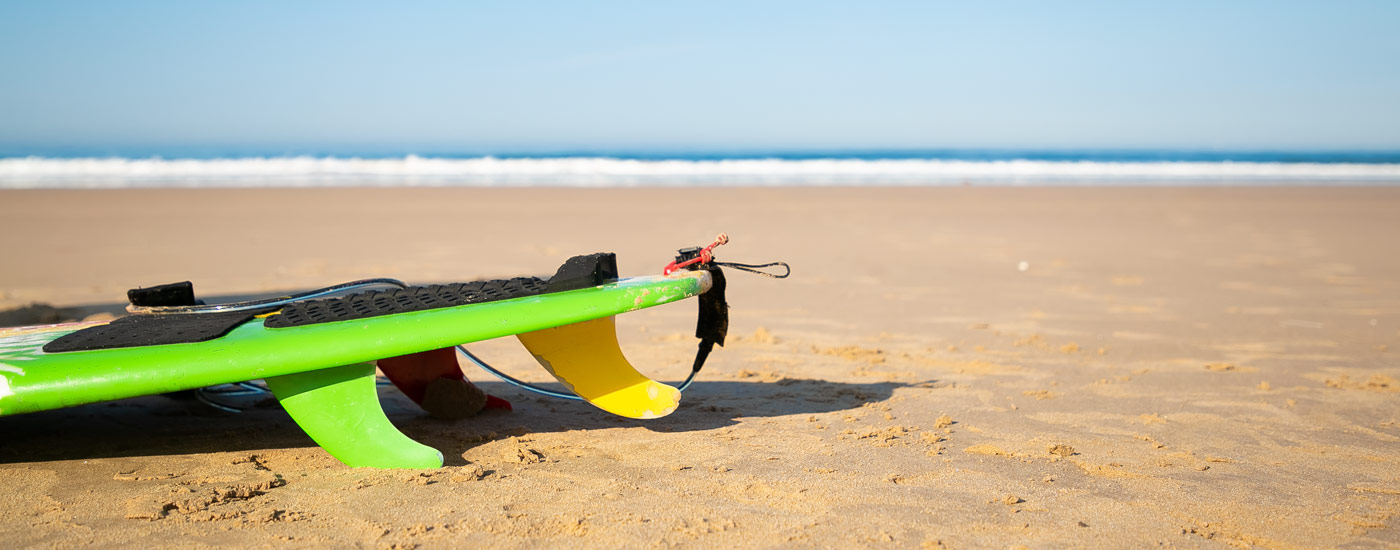
During the peak of July, the sand reaches temperatures that can easily damage your precious equipment. Many beginners make the terrible mistake of leaving their shapes exposed to direct sunlight while they rest. Finding a shady spot under a local palapa is the most effective way to prevent structural damage.
Where can you store your board if there is no natural shade available near your favorite break? Using reflective bags provides an excellent thermal barrier against those aggressive and damaging ultraviolet rays. You can find premium options of surfboard covers to ensure your investment stays completely safe from intense heat.
No obstante, some tourists believe that leaving the board inside a locked car is perfectly fine. The interior of a vehicle acts like a greenhouse, which softens the resin and ruins the rocker completely. Avoid this common disaster by keeping your gear outdoors where the coastal breeze lowers the temperature.
Did you know that modern epoxy models are particularly sensitive to extreme temperature changes? Taking care of your equipment requires constant attention, but the reward is a longer lifespan for your favorite shortboard. Follow these simple steps daily and you will maintain maximum performance on every wave.
Wax management under the burning desert sky
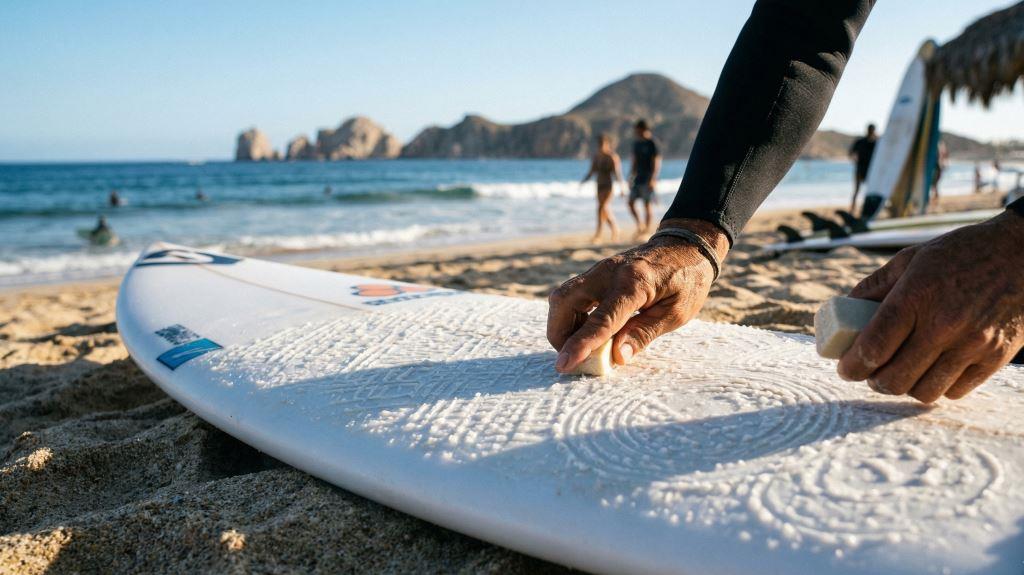
Using the wrong wax formulation will completely ruin your stability during a critical take-off. Since the water in Los Cabos stays quite warm, tropical blends are absolutely mandatory for superior grip. Applying a cold-water coat will only create a messy residue on your deck within minutes.
Likewise, removing old, dirty layers every few weeks keeps your board light and responsive. A heavy buildup of old wax traps sand grains, which reduces the overall traction of your feet. By utilizing a specialized plastic comb regularly, you can easily maintain a perfect surface for aggressive maneuvers.
Before waxing your board for an early session at Cerritos, check the current temperature. If the bumps look flat, a fresh top coat will instantly restore the connection with your feet. Experienced locals always practice proper surfboard care by updating their grip according to the current season.
Why risk a painful slip on a beautiful set wave because of pure laziness? Investing ten minutes in deck maintenance guarantees total control during high-speed turns when you need it most. Keep a cool block of tropical wax in your bag and enjoy a flawless ride every time.
Preventing expensive delamination in the tropical heat
It is well known that extreme heat causes the air inside the foam to expand dangerously. This internal pressure creates large air bubbles, which separate the fiberglass from the EPS core permanently. Once this occurs, your board loses its flex and becomes a very expensive piece of trash.
Fortunately, checking your board for minor cracks prevents water from rotting the inner blank. Even a tiny ding absorbs salt water, which triggers severe delamination when exposed to the afternoon sun. Carrying specialized solar-cure resins allows you to fix these issues immediately before the damage becomes completely irreversible.
On the sunny shores of the East Cape, executing quick DIY repairs is incredibly easy today. You can get professional supplies to seal those open wounds instantly. Taking charge of small repairs is a vital part of surfboard care for dedicated travelers worldwide.
Would you rather spend your vacation money on expensive repair shops instead of cold beers? Choosing high-quality UV resins ensures a ultra-fast curing process under the bright Baja sky without any hassle. This smart habit will keep you in the water, protecting your beloved magic board forever.
The freshwater rinse that saves your fiberglass
Saltwater crystals act like tiny magnifying glasses that intensify solar radiation on the hot fiberglass. Leaving your board covered in salt crust accelerates the yellowing process of the clear resin coat. Rinsing your equipment with fresh water after every session preserves the original look of your board.
Therefore, finding a public shower or carrying a water jug in your truck is highly recommended. Pay close attention to the fin boxes, where salt buildup creates friction and jams your fin screws. This simple cleaning routine guarantees that your fins will remain easy to remove and adjust always.
While watching the sunset after a long day at Monuments, dry your board thoroughly. Using a clean micro-fiber towel prevents moisture from trapped spaces, which stops mold growth inside your storage bag. A completely dry environment is a pillar of surfboard care that many young riders ignore.
Are you willing to let corrosion ruin your expensive carbon fin setup this summer? Taking five minutes to wash away the ocean elements protects the structural integrity of your gear. Make this practice a mandatory ritual and extend the longevity of your quiver.
Traveling smart along the bumpy Baja roads
Driving down to remote spots like Scorpion Bay requires heavy-duty protection for your daily drivers. The intense vibration inside a truck bed can easily cause painful fractures on the rails of unprotected shapes. Investing in a thick, padded day bag is the best decision for road trips.
As a matter of fact, stacking multiple boards without protection creates friction that destroys the finish. Using soft rack pads and high-quality tie-down straps ensures a secure ride on rough terrain. This precaution avoids unnecessary pressure dings, which compromise the original hydrodynamic flow dramatically.
When parking your vehicle near the cliffs to check the surf conditions, never leave boards exposed. Cover your gear with a light bedsheet if you do not have a proper heat-reflective travel bag. This simple trick keeps the surface cool, proving that surfboard care relies on smart habits.
Can you imagine arriving at a remote point break only to find your rail completely shattered? Preparing your equipment for the road eliminates the stress of unexpected damage before your session. Travel like a seasoned professional this year and keep your boards ready for action.